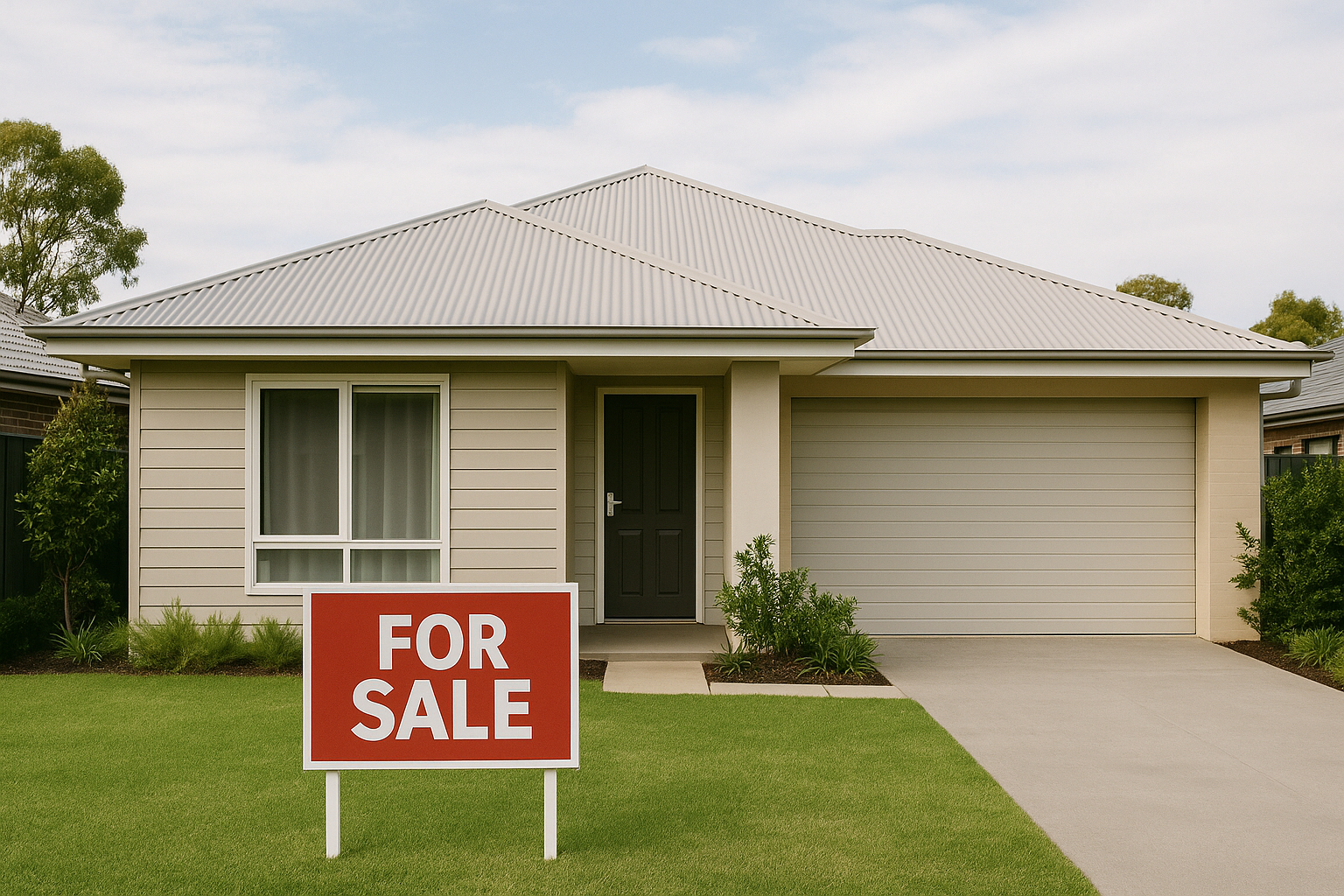
The steady rise of the ‘forever home’

There was once a fairly predictable property journey. Buy a first home. Upgrade when the family grows. Perhaps move again for more space, a better location or a different lifestyle. Then downsize later in life.
But for many Australians, that path is changing. Instead of asking “Where should we move next?”, but with cost of living pressures and rising interest rates, more homeowners are asking “How can we make this home work for us for longer?”
Enter the forever home - an existing property that's renovated and adapted to suit changing needs rather than traded for something new, and there are some very practical reasons why the idea is gaining appeal.
Moving isn't cheap
Buying another home involves much more than comparing sale prices. There is stamp duty, agent fees, conveyancing and legal costs, removalists and other expenses associated with buying, selling and moving.
Then there's the possibility of taking on a larger mortgage at a time when household budgets are already under pressure. For some homeowners, putting that money towards improving the property they already own can make more sense.
A new kitchen, additional bedroom, second living area or better connection to the backyard might solve the very problems that prompted thoughts of moving in the first place.
Sometimes you already love where you live
A home's value isn't measured entirely in dollars. Perhaps the children can walk to school. Friends live around the corner. You know the neighbours. Your favourite café is nearby and you've spent years creating a garden you don't particularly want to leave.
For South Australians, this can be especially relevant in established Adelaide suburbs where people may love the location but live in homes designed for a very different era. Renovation offers the opportunity to keep everything you like about the neighbourhood while changing the things that no longer work about the house.
Families don't always need a bigger home - they need a better one
Changing family needs don't automatically require more floor space. Sometimes the problem is how existing space is being used.
A formal dining room that rarely gets used might become a home office. An older extension could be redesigned to improve the connection between the kitchen and backyard. Teenagers (and their parents) might benefit from a second living area, while better storage can make a surprisingly significant difference to everyday family life.
Increasingly, good renovation is about making a home work better, rather than simply making it bigger.
Multi-generational living is changing the equation
The traditional household is changing too. Adult children may remain at home for longer, elderly parents may move in with family, and some households want spaces that offer greater independence without requiring a completely separate property.
That can lead to renovations incorporating an additional bedroom and bathroom, separate living zone or self-contained area within the existing home.
The challenge is making sure these changes are thoughtfully designed and, where required, appropriately approved. A flexible home can potentially accommodate several generations and continue adapting as circumstances change.
Designing today for the person you'll be tomorrow
The idea of a forever home also raises an important question: will this house still work for you in 10, 20 or 30 years?
For homeowners hoping to remain in their property as they age, relatively simple design decisions can make a big difference later. Reducing unnecessary steps, improving lighting, creating wider and easier access, incorporating a bathroom that can be adapted in future and ensuring essential living spaces are easily accessible can all help a home remain practical over time.
You don't need to make a home look clinical or design it entirely around ageing. Good access can simply look like good design.
But renovating isn't automatically the cheaper option
There's an important reality check in all of this. Once homeowners decide they're staying forever, it's easy for renovation plans to grow. A kitchen renovation becomes a rear extension. The rear extension leads to a new outdoor area. Then the bathrooms look tired compared with everything else.
Before committing, it's worth understanding the condition and limitations of the existing building. Structural alterations, ageing services, drainage issues, asbestos-containing materials in some older homes and previously undocumented building work can all affect the complexity and cost of a renovation.
Sometimes renovating is clearly the sensible choice. In other cases, the amount of work required may change the equation considerably.
Start with the house you actually have
Before designing the house you want, it helps to understand the house you've already got. An independent building consultant can identify existing defects, maintenance concerns and structural issues that may influence renovation plans. There's little value in investing heavily in beautiful new finishes if underlying moisture, drainage, cracking or structural problems haven't been properly addressed first.
Members of the Association of Building Consultants can provide independent advice to help homeowners better understand their existing property before significant renovation decisions are made.
For more great information and practical property insights, visit www.buildinginspectors.org.au