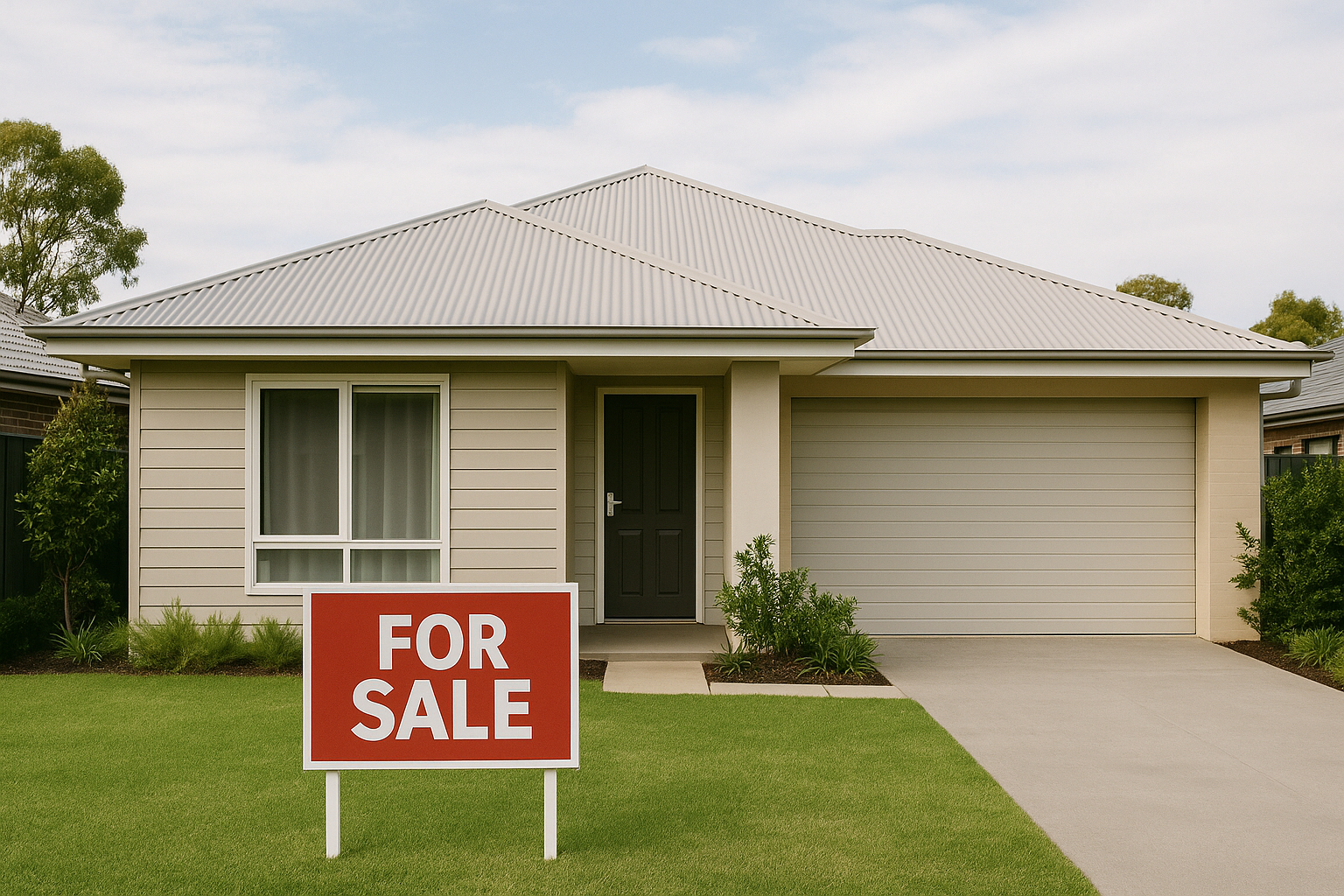
Making multi-generational living work

The idea of ‘home’ is changing in South Australia. Rising house prices, shifting family dynamics and the desire for closer support networks are seeing more families choose multi-generational living as a practical and rewarding alternative to the traditional single-household model. Whether through co-living arrangements, duplexes or granny flats, families are finding new ways to live together while still maintaining independence and privacy.
Why is multi-generational living growing?
The move toward shared living is being driven by a combination of financial, social and lifestyle factors. Younger adults are staying at home longer to save for a deposit; older parents are seeking safe, affordable options that keep them near family; and many households are simply looking for more cost-effective ways to manage modern life.
In South Australia, as in much of the nation, land supply constraints and rising construction costs have added further incentive to explore housing options that maximise the value of a single block. But beyond economics, many families appreciate the emotional benefits - from more family time to built-in support for childcare, elder care and everyday living.
The main options: co-living, duplexes and granny flats
Co-living has evolved significantly in recent years. What was once associated mostly with student accommodation has become a modern, community-driven housing model. Residents enjoy private bedrooms and often private bathrooms, while sharing communal spaces such as kitchens, living rooms and gardens. Co-living appeals to people of all ages who want affordability, social interaction and low-maintenance living.
Duplexes, sometimes called dual-occupancy homes, are becoming increasingly popular in suburban redevelopment. These consist of two separate dwellings on a single title - either side by side or with one above the other. For extended families, duplexes strike a balance between closeness and independence. Each household has its own entry, kitchen, bathrooms and living spaces, but family support is only steps away.
Granny flats, or secondary dwellings, remain the most well-known multi-generational option. They offer a self-contained living space on the same lot as the main home. In South Australia, secondary dwellings are now allowed in some residential zones, subject to size limits (often 60–80 m² depending on council rules) and occupancy conditions. These small homes can be ideal for ageing parents, adult children or other family members who want independence without the cost of a full-sized home.
The benefits of shared living
Multi-generational living offers clear advantages. Financially, families can reduce costs by sharing utilities, maintenance and even groceries. Property values may increase when a block includes a high-quality secondary dwelling. In some circumstances, homeowners may also be able to rent out one of the dwellings, creating an additional income stream.
Socially and emotionally, the benefits can be even greater. Grandparents can provide childcare support, younger family members can assist with daily tasks and families can stay connected through major life stages while still having private spaces to retreat to. Many households find this arrangement strengthens relationships and creates a sense of security that single-household living cannot always offer.
Important considerations before you build or renovate
While the benefits are significant, multi-generational living works best when it’s well planned. Thoughtful design is essential. Privacy should be prioritised through separate entrances, good soundproofing and clear boundaries between living spaces. Accessibility considerations - such as step-free entries, wider hallways and bathroom supports - may be critical when older family members are involved.
Planning regulations vary across councils, making early guidance important. Approvals, infrastructure requirements and design standards can differ, especially when building a granny flat or converting a home into a duplex. Engaging an experienced building consultant can help families navigate compliance, design challenges and construction risks, with a view to a safe and functional outcome.
The future of multi-generational living
As housing affordability pressures continue, and as families seek more flexible and supportive living arrangements, co-living, duplexes and granny flats are likely to become central to the future of Australian housing. These options offer smart, adaptable ways to share space while preserving the comfort and independence each generation needs.
With thoughtful design, careful planning and the right professional advice, multi-generational living can be an enriching and sustainable way forward for families across South Australia and beyond.