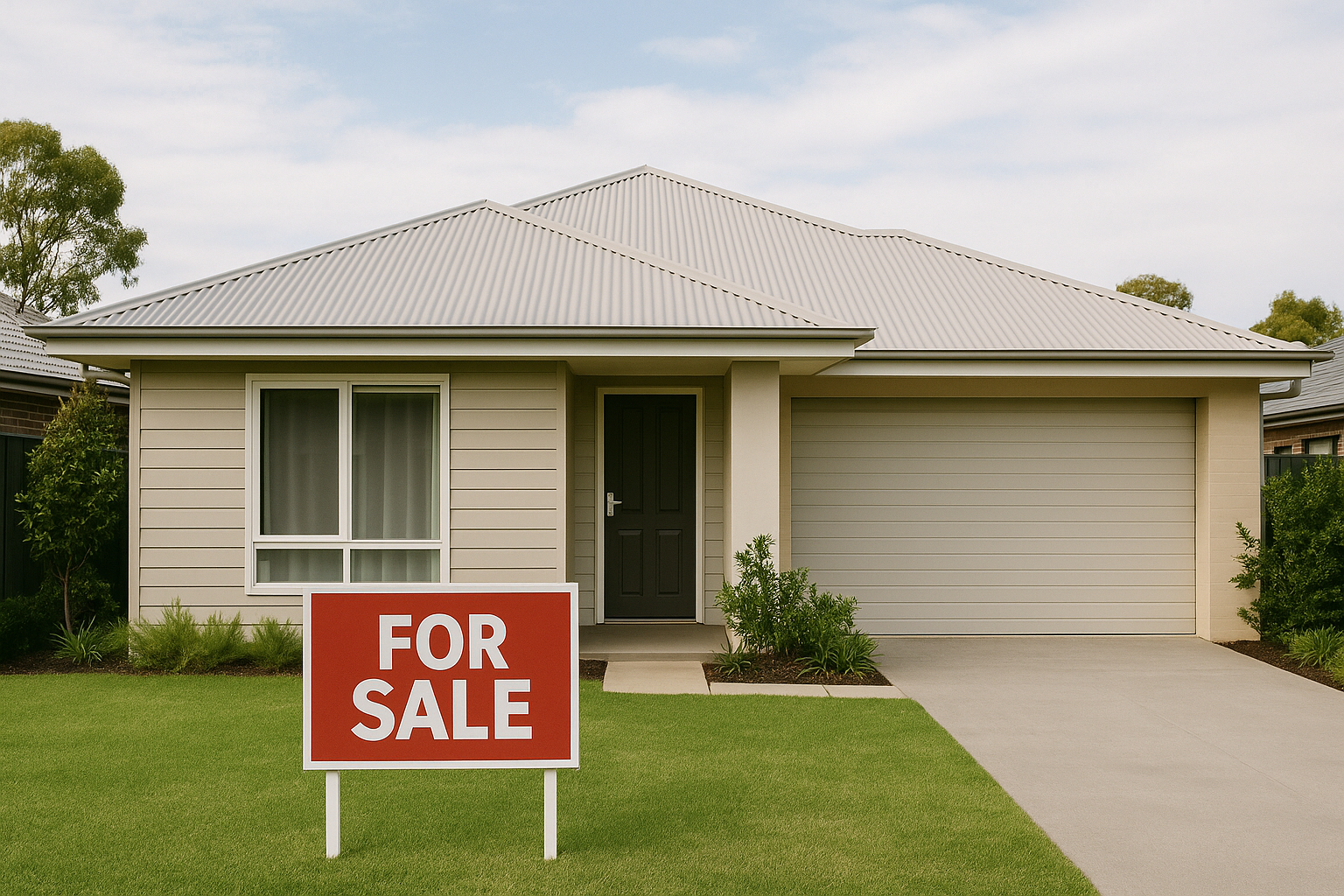
Build or buy? The pros and cons to consider

For many South Australians, 2026 feels like a pivotal year to enter the property market. Prices continue to rise, demand remains strong and government incentives - especially for first-home buyers who are building a new house - are still shaping buyer decisions. With so much movement in the market, one of the biggest questions buyers are asking is: should I build a new home or buy an existing one?
Both pathways come with genuine advantages, but also very different challenges. Understanding the trade-offs can help you choose the option that best suits your budget, lifestyle and long-term plans.
Why building still appeals
Building offers one major advantage: control. From choosing the block and floor plan to selecting finishes and energy-efficient features, building gives you a home that truly fits your lifestyle.
For first-home buyers, the appeal is even stronger. South Australia’s stamp duty exemption on new builds - paired with the First Home Owner Grant - still represents a significant financial boost. For many, these incentives can mean tens of thousands of dollars saved at the front end.
Building also allows you to access the benefits of modern construction standards. New homes are typically more energy-efficient, cheaper to maintain and designed around contemporary living habits such as open-plan layouts, home offices and integrated outdoor spaces.
The downsides of building right now
While the benefits are attractive, building brings its own set of challenges - particularly in the current market:
- Construction timelines remain unpredictable. Labour shortages and slow supply chains still affect build times in some parts of SA.
- Costs can escalate. While material prices are stabilising, variations and unforeseen expenses still occur.
- Land supply is tight. Especially in high-demand suburbs and coastal areas.
- You need patience. From contract signing to handover, the process is likely to span 12–24 months, depending on the builder and design.
Building suits buyers who have flexibility, a clear vision and the willingness to plan carefully - ideally with guidance from experienced professionals such as a building consultant.
Why buying an existing home still makes sense
For many buyers, buying an established property remains the fastest and simplest route into the market. You can see exactly what you're getting - the neighbourhood, the layout, the condition - and you can move in straight after settlement.
Established suburbs also tend to offer lifestyle amenities that newer estates are still developing, such as tree-lined streets, character homes, established schools, public transport and local shops. Suburbs such as Prospect, Unley, Goodwood, Glenelg, Magill and Semaphore continue to attract strong demand thanks to their proximity to cafés, parks and employment hubs.
Buying also removes the uncertainty of build timelines. In an environment where interest rates and cost-of-living pressures are still trending upwards, some buyers appreciate the certainty of a fixed settlement date.
The downsides of buying in 2026
The greatest challenge is affordability. Adelaide’s house prices have risen steadily, and many established homes require renovation or energy-efficiency upgrades to meet modern expectations. Other considerations include:
- Stamp duty adds significant upfront cost, especially without exemptions for established homes.
- Older homes may require repairs - plumbing, electrical work, roofing, insulation and pest treatment can all add to the total cost.
- Competition from purchasers is fierce in popular suburbs, often pushing buyers to pay more than planned.
Buying suits those who want certainty, convenience and access to established neighbourhoods - but it requires careful due diligence to avoid unexpected costs.
So … how to decide whether to build or buy?
If affordability and long-term customisation are your priorities, building may be the better option - especially for first-home buyers who can access incentives and are flexible with timeframes. If you want certainty, location-driven lifestyle benefits or faster occupancy, then buying an established home is likely to be more attractive.
Ultimately, the right choice isn’t about what the market says - it’s about what works best for you. Both building and buying offer opportunities for South Australians in the year ahead, but each path carries risks that need careful management.
That’s where an experienced building consultant can make a real difference. Whether you’re considering a site to build on, inspecting an established property or checking the quality of a completed build, the Association of Building Consultants can connect you with trusted professionals who will help to safeguard your investment from day one.